

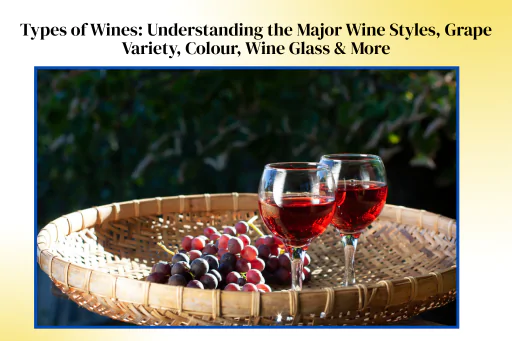
Wine is far more than an alcoholic beverage — it’s an expression of culture, craftsmanship, and celebration. Across the globe, wine serves as a bridge between traditions, bringing people together over shared experiences and timeless rituals. Made from fermented grapes, each bottle tells a story through its aroma, texture, and taste, shaped by the land and hands that create it.
The art of winemaking begins with harvesting ripe grapes, followed by crushing, fermenting with yeast, and maturing the wine in barrels or tanks. Every step — from grape variety and soil composition (terroir) to climate and technique — influences the final flavour profile, body, and bouquet of the wine.
Those who dedicate themselves to understanding this world are known as sommeliers or wine connoisseurs. Their refined knowledge spans grape varieties, regional distinctions, and pairing principles, enabling them to recommend the perfect wine for any occasion or meal.
Having a basic understanding of wines and the right wine glassware for your home bar can significantly enhance your hosting experience. It allows you to select the right bottle for the right moment, engage guests with fascinating insights, and savour each sip with greater appreciation.
Why is wine served in a uniquely shaped glass?
Wine glasses are meticulously designed to highlight the sensory elements of the drink. The curvature, bowl size, and rim diameter all influence how aromas are captured and delivered to the nose and palate. Each style of wine — red, white, or sparkling — benefits from a specific glass shape that enhances its distinctive notes and overall tasting experience.
Rosé Wine
Rosé wine is celebrated for its charm, versatility, and stunning range of pink hues — from the faintest blush to a lively coral tone. Made from red grape varieties, it achieves its signature colour through a brief contact between the grape skins and the juice, known as maceration. This limited interaction imparts both a gentle tint and a fresh, fruit-forward flavour profile that bridges the gap between red and white wines.
Grape Varieties: Popular grapes used in crafting rosé include Grenache, Syrah, Mourvèdre, and Pinot Noir, each lending its own nuance to the wine’s aroma and taste.
Colour: The shade of rosé can range from soft pastel pink to rich salmon, influenced by the grape type, duration of skin contact, and the winemaker’s chosen technique.
Aroma: Rosé wines typically exude aromas of ripe strawberries, cherries, citrus zest, and delicate floral undertones, resulting in a bright and invigorating bouquet.
Sweetness Level: Depending on the style and region, rosé wines can span from crisp and bone-dry to gently sweet, though most modern expressions lean towards a dry, refreshing finish.
Ideal Wine Glass: A tulip-shaped glass with a moderately wide bowl is ideal for serving rosé. Its design enhances the wine’s fragrance while keeping it perfectly chilled.
Food Pairing: Rosé pairs beautifully with a wide array of dishes — from grilled vegetables, seafood, and summer salads to creamy pastas and light meats. Its balanced acidity and fruitiness also make it an excellent companion for mildly spiced Indian delicacies like tandoori chicken, paneer tikka, or vegetable biryani.
White Wine
White wine, known for its elegance and versatility, is produced from green or yellow-skinned grapes. Unlike red wine, the juice is fermented without the skins, resulting in a light, translucent drink that can range from crisp and zesty to smooth and full-bodied. Its flavour spectrum makes it a favourite across seasons and occasions.
Grape Varieties: The most renowned grapes for white wine production include Chardonnay, Sauvignon Blanc, Riesling, and Pinot Grigio — each offering distinct textures and flavour notes, from buttery richness to citrusy freshness.
Colour: Depending on the grape type and aging method, white wines reveal shades from pale straw and silvery gold to deeper honey hues. The intensity of colour often hints at the wine’s depth and maturity.
Aroma: Expect a bouquet bursting with citrus, peach, pear, and tropical fruit notes, layered with hints of florals or minerality. Every grape brings its own aromatic personality — from the tropical allure of Chardonnay to the herbal brightness of Sauvignon Blanc.
Sweetness Level: White wines can range from bone-dry to decadently sweet. The sweetness depends on the grape’s natural sugars and how long fermentation continues, creating styles suitable for both refreshing sips and dessert pairings.
Ideal Wine Glass: A tulip-shaped white wine glass with a slender rim and gently tapered bowl is best for enhancing the wine’s fragrance while keeping it cool and focused on the palate.
Food Pairing: White wine complements an impressive variety of dishes — think grilled fish, roasted chicken, creamy pastas, and fresh salads. Its acidity also balances the spices of light Indian fare such as korma, butter chicken, or paneer makhani, making it equally fitting as an aperitif or alongside cheese boards and appetizers.
Sparkling Wine
Sparkling wine is synonymous with celebration — a drink that captures joy in every bubble. Distinguished by its lively effervescence and crisp charm, it is crafted either through traditional bottle fermentation or modern tank methods, where carbon dioxide is naturally produced or intentionally infused to create its signature fizz.
Grape Varieties: Sparkling wines are made from a diverse range of grapes. Classic Champagne, for instance, uses Chardonnay, Pinot Noir, and Pinot Meunier, while other regions incorporate their own local varieties to produce distinctive styles and flavours.
Colour: Depending on the grapes and winemaking approach, sparkling wines can appear as pale gold, delicate pink (rosé), or even light red. Blanc de blancs wines are made solely from white grapes, while blanc de noirs are produced from red grapes with minimal skin contact.
Aroma: The aroma of sparkling wine dances between freshness and depth — offering notes of crisp apple, citrus peel, and white flowers, often complemented by hints of brioche, nuts, or honey from aging on the lees.
Sweetness Level: Ranging from bone-dry brut nature to lightly sweet demi-sec, sparkling wines cater to every palate. The balance between acidity and residual sugar determines whether the wine tastes brisk and refreshing or soft and rounded.
Ideal Wine Glass: A tall flute or elegant tulip glass is best suited for sparkling wines. Its narrow bowl helps retain the bubbles while concentrating the wine’s delicate aromas and enhancing its graceful presentation.
Food Pairing: Sparkling wine’s versatility makes it a perfect match for countless dishes — from oysters, sushi, and fried hors d’oeuvres to creamy desserts and soft cheeses. Its crisp acidity also pairs wonderfully with spicy Indian snacks like samosas, pakoras, or tangy chaat, making it a festive favourite for weddings, parties, and special occasions.
Pinot Noir
Pinot Noir is often described as the most graceful and expressive of red wines — a true embodiment of finesse and depth. Crafted from the delicate Pinot Noir grape, it reflects its growing environment like few others, making each bottle a poetic expression of its terroir.
Grape Variety: Made exclusively from the Pinot Noir grape, this varietal thrives in cool-climate regions such as Burgundy in France, Oregon in the United States, and parts of New Zealand. Its thin skin and sensitive nature make it both a challenge and a reward for winemakers.
Colour: Pinot Noir is celebrated for its translucent beauty, displaying shades that range from pale ruby and garnet to deeper crimson tones. The colour intensity varies depending on ripeness, soil, and the winemaking approach.
Aroma: The fragrance of Pinot Noir is captivating — a medley of red berries, cherries, and plums intertwined with hints of earth, spice, and delicate floral undertones. It offers a subtle aromatic complexity that evolves beautifully as the wine breathes.
Sweetness Level: Naturally dry and refined, Pinot Noir contains minimal residual sugar. Its vibrant acidity and balanced fruit profile create an elegant structure that feels light yet layered.
Ideal Wine Glass: A wide-bowled glass with a gently tapered rim is best for Pinot Noir, allowing the wine to open up fully and concentrate its intricate aromas for an immersive tasting experience.
Food Pairings: Pinot Noir’s versatility makes it a culinary delight. It complements roasted poultry, grilled salmon, mushroom risotto, and creamy pastas with ease. Its balanced acidity also harmonizes beautifully with Indian favourites such as butter chicken, lamb rogan josh, and spiced biryani, enhancing both flavour and texture in every bite.
Dessert Wine
Dessert wine is the grand finale of the wine world — sweet, indulgent, and crafted to complement or replace dessert itself. Whether rich and velvety or light and aromatic, these wines capture the natural sweetness of grapes through late harvesting, fortification, or specialized fermentation techniques. Each sip offers a luxurious balance of sugar, acidity, and depth.
Grape Varieties: Dessert wines are made from an array of grapes, such as Riesling, Muscat, and Sauternes for lighter, honeyed styles, and fortified varieties like Touriga Nacional and Tinta Roriz for richer, Port-style wines. The choice of grape and method of production defines the wine’s sweetness and texture.
Colour: Their hues span a beautiful spectrum — from shimmering gold and amber to deep ruby — reflecting the ripeness of the fruit and the aging process.
Aroma: Dessert wines are aromatic masterpieces, releasing lush scents of honey, apricot, caramel, dried fruits, and warm spices. These complex fragrances unfold gracefully, hinting at the richness waiting on the palate.
Sweetness Level: Ranging from gently sweet to decadently syrupy, dessert wines retain high residual sugar balanced by natural acidity or fortification. This interplay keeps them luscious without being cloying.
Ideal Wine Glass: A petite tulip-shaped glass with a narrow rim is perfect for dessert wines. Its design preserves the wine’s intense bouquet while encouraging slow, measured sips that reveal layers of flavour.
Food Pairing: Dessert wines are exquisite companions to fruit tarts, crème brûlée, chocolate mousses, and aged cheeses. Their sweetness also pairs beautifully with Indian confections such as gulab jamun, rasgulla, and jalebi, creating an indulgent harmony between wine and dessert.
Cabernet Sauvignon
Cabernet Sauvignon stands as one of the world’s most distinguished red wines — bold, structured, and deeply expressive. Celebrated for its intensity and remarkable aging potential, it is crafted from the Cabernet Sauvignon grape, known for its thick skins, concentrated flavours, and adaptability across diverse wine regions.
Grape Variety: Cabernet Sauvignon is made primarily from its namesake grape, often blended with Merlot, Cabernet Franc, or other Bordeaux varietals to achieve balance and depth. Its resilience and consistent character have made it a cornerstone of fine red wine production worldwide.
Colour: Visually captivating, Cabernet Sauvignon reveals a deep ruby to garnet hue that darkens with age. The colour intensity reflects grape ripeness, time spent in oak barrels, and the winemaker’s style.
Aroma: The bouquet of Cabernet Sauvignon is layered and complex — rich with blackcurrant, blackberry, and plum, complemented by undertones of cedar, tobacco, pepper, and spice. With age, these aromas evolve into notes of leather, graphite, and dried herbs.
Sweetness Level: Typically dry, Cabernet Sauvignon is defined by firm tannins and balanced acidity. This structure gives it excellent longevity, allowing the wine to develop beautifully over time while maintaining its powerful flavour core.
Ideal Wine Glass: A large, rounded glass with a slightly tapered rim is ideal for this wine. The wide bowl allows oxygen to soften the tannins and release the intricate aromas, offering a more refined tasting experience.
Food Pairing: Cabernet Sauvignon pairs perfectly with robust, savoury dishes such as grilled steak, roast lamb, or slow-cooked beef. Its depth and structure also complement Indian favourites like rogan josh, paneer tikka, and biryani, where the wine’s boldness harmonizes with rich spices and layered flavours.
Syrah
Syrah — known as Shiraz in regions like Australia — is a powerful, full-bodied red wine celebrated for its intensity, spice, and depth. Crafted from the Syrah grape, this variety thrives in warm climates, yielding wines that are rich, bold, and beautifully layered with both fruit and earthy complexity.
Variety: Made exclusively from the Syrah grape, this varietal is recognized for its thick skin, concentrated dark fruit flavours, and signature peppery character. Depending on where it’s grown, Syrah can range from elegant and restrained to robust and smoky.
Colour: Syrah wines are visually striking, displaying a deep purple or almost inky-black hue. The saturation and vibrancy of the colour often hint at the wine’s fullness and concentration, influenced by ripeness, fermentation style, and oak aging.
Aroma: The aromatic profile of Syrah is both bold and inviting — filled with notes of blackberry, blueberry, and plum, underscored by black pepper, violet, and a touch of smoked meat. Aged Syrahs often reveal hints of leather, spice, and earthy undertones.
Sweetness Level: Typically dry, Syrah showcases moderate to high tannins and balanced acidity. These structural elements make it both age-worthy and exceptionally food-friendly.
Ideal Wine Glass: A generously sized, rounded wine glass with a gently tapered rim is ideal for Syrah. It enhances aeration, allowing the wine’s dense aromas to open and the tannins to soften for a smoother mouthfeel.
Food Pairing: Syrah’s bold personality pairs beautifully with richly flavoured foods — think grilled steaks, barbecued ribs, and game meats. It also shines alongside Indian cuisine, complementing smoky tandoori dishes, seekh kebabs, and spicy curries, where its depth and spice echo the vibrancy of the flavours on the plate.
Zinfandel
Zinfandel is a dynamic and expressive red wine celebrated for its ripe fruit flavours, bold personality, and touch of spice. Crafted from the Zinfandel grape — a variety that flourishes in warm, sun-drenched regions — this wine showcases remarkable versatility, producing everything from juicy, fruit-forward reds to rich, full-bodied expressions with a peppery edge.
Grape Variety: Zinfandel is made predominantly from its namesake grape, prized for its thick skins and intense dark fruit character. The grape’s natural sugar content also makes it ideal for creating both dry and slightly sweet styles, depending on the winemaker’s approach.
Colour: Zinfandel typically displays a deep ruby or garnet tone, varying in depth based on ripeness and aging. With time in oak, the wine often takes on warm brick-red reflections that add to its allure.
Aroma: Aromatically rich, Zinfandel reveals layers of blackberry, raspberry, and cherry intertwined with notes of plum, black pepper, and baking spices. Hints of vanilla, smoke, or cocoa may also emerge from barrel aging, creating an inviting complexity.
Sweetness Level: Zinfandel can range from dry to subtly off-dry. Some versions retain a touch of residual sugar, balancing the wine’s natural acidity and amplifying its lush fruitiness.
Ideal Wine Glass: A wide-bowled glass with a gently tapered rim is best suited for Zinfandel, encouraging the wine to breathe and allowing its rich aromas and layered flavours to fully develop.
Food Pairing: Zinfandel’s bold, spicy nature makes it an excellent match for flavourful dishes such as barbecue ribs, grilled burgers, and spicy sausages. Its fruit-forward warmth also pairs beautifully with Indian favourites like butter chicken, lamb vindaloo, and vegetable kebabs — harmonizing perfectly with the richness and spice of these dishes.
Chardonnay
Chardonnay is one of the world’s most celebrated white wines — admired for its adaptability, complexity, and elegant depth. Made exclusively from the Chardonnay grape, this varietal transforms beautifully depending on where it’s grown and how it’s made, resulting in styles that range from crisp and mineral-driven to rich and buttery.
Grape Variety: Crafted solely from the Chardonnay grape, this variety is known for its neutral character, allowing the climate and winemaking methods — such as oak aging or malolactic fermentation — to shape its personality. This versatility makes Chardonnay a favourite among both winemakers and wine lovers.
Colour: The colour spectrum of Chardonnay spans from pale straw to deep golden tones. Cooler climate wines often appear lighter and brighter, while those aged in oak or from warmer regions take on a richer, honeyed hue.
Aroma: Chardonnay offers a beautifully layered bouquet — green apple, pear, and citrus mingle with hints of melon, vanilla, butter, and toasted oak. The aromatic complexity depends on the style, with unoaked Chardonnays tending toward freshness and oak-aged versions exuding warmth and creaminess.
Sweetness Level: Most Chardonnays are dry, though some display a touch of sweetness or roundness from malolactic fermentation. This process softens the wine’s acidity and introduces a smooth, buttery texture that enhances its luxurious feel.
Ideal Wine Glass: A medium to large glass with a wide bowl and tapered rim is ideal for Chardonnay. It helps capture delicate aromas while allowing the wine to open up, revealing layers of flavour with each sip.
Food Pairing: Chardonnay’s balance of richness and acidity makes it a perfect match for an array of dishes — from roasted chicken, creamy risottos, and seafood pastas to buttery sauces. Its smooth texture also pairs beautifully with Indian dishes such as paneer tikka masala, fish curry, and vegetable korma, amplifying their depth and aromatic warmth.
Sauvignon Blanc
Sauvignon Blanc is a lively, refreshing white wine celebrated for its zesty flavours, crisp acidity, and unmistakable aromatic vibrancy. Crafted from the Sauvignon Blanc grape — a variety that flourishes in cooler climates — this wine offers an invigorating balance of fruit, freshness, and herbal nuances, making it a favourite for warm-weather sipping.
Grape Variety: Made exclusively from the Sauvignon Blanc grape, this varietal is renowned for its expressive personality — bursting with citrus, green fruit, and grassy notes. Its natural acidity and bright flavour profile reflect both the climate and terroir in which it’s grown.
Colour: Sauvignon Blanc typically displays a pale straw to light green hue, shimmering with clarity. The exact shade depends on ripeness levels and whether the wine is aged in stainless steel for freshness or in oak for added texture and depth.
Aroma: Intensely aromatic, Sauvignon Blanc greets the senses with scents of grapefruit, lime, and green apple layered with hints of gooseberry, passion fruit, and freshly cut herbs. The result is an energizing bouquet that feels as crisp as a cool breeze.
Sweetness Level: Generally dry, Sauvignon Blanc’s hallmark is its bright acidity and clean, refreshing finish. Its minimal residual sugar keeps the flavours sharp and lively, perfect for those who enjoy a vibrant, palate-cleansing wine.
Ideal Wine Glass: A medium-sized glass with a narrower bowl and tapered rim is ideal for Sauvignon Blanc. This shape helps preserve its delicate aromas while emphasizing the wine’s crisp, zesty edge.
Food Pairing: Sauvignon Blanc’s freshness makes it a superb companion to light and flavourful dishes — from grilled seafood and summer salads to vegetable stir-fries and tangy cheeses like goat cheese. Its citrus-driven notes also pair beautifully with Indian favourites such as tandoori prawns, paneer tikka, and vegetable biryani, highlighting the brightness and spice in every bite.
Riesling
Riesling is one of the most expressive and adaptable white wines in the world, celebrated for its captivating aromatics, crisp acidity, and wide spectrum of sweetness levels. Made exclusively from the Riesling grape, this varietal shines in cool-climate regions where it develops remarkable purity, elegance, and a true reflection of its terroir.
Grape Variety: Produced solely from the Riesling grape, this variety is admired for its naturally high acidity, aromatic complexity, and ability to mirror the characteristics of the soil and climate where it’s grown. Riesling’s versatility allows it to range from refreshingly dry to decadently sweet.
Colour: The visual appeal of Riesling ranges from pale straw to deep golden hues, depending on grape ripeness and aging. Stainless steel fermentation often yields lighter shades and fresher tones, while oak aging can deepen the colour and add roundness.
Aroma: Intensely fragrant, Riesling delights the senses with layers of citrus zest, white blossoms, peach, and apricot, often complemented by subtle notes of honey, flint, or the signature “petrol” nuance that emerges with age. Its aromatic profile is both delicate and deeply complex.
Sweetness Level: Riesling spans the full sweetness spectrum — from bone-dry and crisp to rich and lusciously sweet. Its hallmark balance of sugar and acidity ensures a harmonious, refreshing finish, regardless of style.
Ideal Wine Glass: A slender, medium-sized glass with a tapered rim is ideal for Riesling. This design enhances its floral and fruity aromas while allowing the bright acidity to unfold gracefully on the palate.
Food Pairing: Riesling’s lively acidity and balanced sweetness make it a superb partner for spicy and flavourful cuisines. It pairs effortlessly with Indian, Thai, and Chinese dishes, as well as seafood, poultry, and pork. The wine’s freshness complements Indian favourites such as chicken tikka masala, vegetable korma, and mango chutney — its sweetness and acidity beautifully tempering spice and richness.
What’s Better: Beer or Wine?
The timeless debate between beer and wine lovers continues to spark conversation — and for good reason. Both beverages hold their own charm, history, and devoted following. The decision between the two often depends on individual taste, the setting, and the type of food being enjoyed.
Beer, with its effervescence and versatility, is the go-to drink for relaxed occasions. Its variety — from crisp lagers and hoppy IPAs to rich stouts — caters to every palate. Refreshing and approachable, beer is perfect for casual gatherings, barbecues, and sporting events, offering a laid-back drinking experience.
Wine, on the other hand, embodies sophistication and depth. Each glass tells a story of its origin — the grape, the soil, and the craftsmanship behind it. Whether it’s a light, fruity rosé or a bold Cabernet Sauvignon, wine enhances the dining experience, making it a staple at celebrations, romantic dinners, and elegant affairs.
Ultimately, there’s no definitive winner in the beer versus wine debate. Both offer distinctive flavours, aromas, and traditions that appeal to different moods and moments. Whether you’re clinking beer mugs with friends or toasting with a glass of wine, each brings its own kind of pleasure — making life’s experiences richer, one sip at a time.