

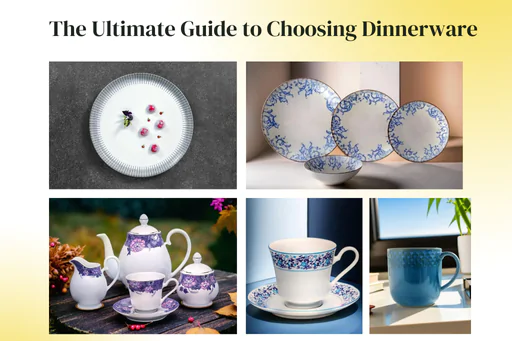
Since the dawn of civilization, sharing food has been one of the purest ways for people to connect, celebrate, and create memories. A dinner set is far more than just a collection of plates and bowls; it’s a silent yet powerful element that can elevate the entire dining experience. The journey of dinnerware is as fascinating as the meals it has served. Archaeologists discovered spoons crafted from flint, wood, and ivory in Ancient Egypt, according to historical records. Over centuries, as cultures evolved and tastes shifted, dinnerware transformed in style, material, and purpose.
Today, dinnerware is an integral part of the dining ritual. It’s not just about having something to hold your food; it’s about enhancing flavors, complementing presentation, and reflecting your personal style. The appropriate set complements the food, the setting, and even the atmosphere of the party. Dining, after all, is not merely about eating; it’s an orchestration of flavors, etiquette, and visual appeal. Thoughtful dinnerware amplifies the presentation, transforming an ordinary meal into an extraordinary experience.
This guide will walk you through everything you need to know to choose dinnerware that impresses and inspires, whether you’re hosting an elegant soirée or enjoying a cozy meal at home. By the end, you’ll be equipped to create a dining setup that pleases both the eyes and the palate.
Understanding the Basics: Choosing the Right Dinnerware
When selecting dinnerware, every element matters. From the style and shape to the texture and weight, each choice influences the overall dining feel. With the market brimming with countless patterns, materials, and configurations, narrowing down your options can feel overwhelming. That’s why it’s essential to break it down. This This involves understanding each component of the dinnerware set, its specific role, and how it aligns with your personal taste as well as the occasion.
In the sections ahead, we’ll explore dinnerware sets in detail, covering their essential components, the ideal choices for different occasions, and the various materials available. With this knowledge, you’ll be ready to select a set that serves your food beautifully and tells a story at every meal.
7 Must-Have Elements in a Well-Curated Dinner Set
A complete dinner set is more than a random collection of plates and bowls; it’s a carefully chosen assortment of pieces that serve specific purposes, enhance presentation, and make every meal feel special. Here’s a breakdown of the essentials:
1. Dinner Plates: The Star of the Table
Dinner plates are the foundation of every dinner set; they are large, flat, and usually circular. Designed to hold generous servings of your main course, they set the tone for your meal’s presentation. From sleek, minimalist whites to ornate patterns, there’s a design for every dining style.
2. Side Plates – The Star of the Table
Side plates are perfect for serving appetizers, salads, breads, or accompaniments because they are smaller than dinner plates. Available in varied shapes, sizes, and colors, they’re the perfect way to add contrast and personality to your table setting.
3. Serving Platters & Bowls: For Shared Moments
When the table is full of guests, serving platters and bowls make it easy to present multiple dishes beautifully. Whether it’s a rustic wooden board for cheeses or an elegant ceramic bowl for a vibrant curry, these pieces are both functional and stylish.
4. Soup Bowls: Comfort in a Vessel
Soup bowls are ideal for serving soups, stews, and even pasta since they are deep and curved to hold liquids. Some prefer wide, shallow designs for pasta dishes, while others stick to traditional deep bowls for hearty servings.
5. Cups & Saucers: The Finishing Touch
Post-meal tea or coffee feels even more indulgent with the right cup and saucer. The cup maintains the warmth of your beverage, while the saucer neatly catches spills, contributing to both elegance and practicality.
6. Dessert Plates: Sweet Endings
Sized just right for cakes, pastries, or ice cream, dessert plates keep the final course light yet delightful. They’re the understated stars that make sweet treats look even more tempting.
7. Additional Accessories: The Functional Extras
From salt and pepper shakers to gravy boats and fondue sets, these add-ons may seem small but play a big role in making dining effortless and well-organized.
Types of Dinnerware Materials
When choosing dinnerware, the material you select impacts not just the look and feel but also durability, functionality, and overall dining experience. Here’s a closer look at the most popular options:
1. Ceramic – Classic and Reliable
Beloved for centuries, ceramic dinnerware retains heat beautifully, keeping meals warm for longer. Sturdy, non-toxic, and widely available, ceramic sets are the go-to choice for everyday dining while still offering a touch of charm.
2. Porcelain – Elegant Versatility
Porcelain is a sophisticated type of ceramic that blends beauty and strength. It is ideal for everyday use as well as special occasions because it is smooth, chip-resistant, and somewhat translucent. Available in countless shapes, patterns, and colors, porcelain often features delicate detailing that elevates the dining table.
3. Bone China: Light, Strong, and Luxurious
Crafted from a mix of bone ash, kaolin, and china stone, bone china is celebrated for being lightweight yet exceptionally strong. Its fine, almost translucent quality makes it a favorite for high-end dining, while its resilience ensures it stands the test of time.
4. Glass: Sleek and Timeless
Glass tableware is non-porous, long-lasting, and fashionable because it is fired at high temperatures. From tempered glass to vitrified designs, these pieces are practical for both casual and elegant setups, allowing food presentation to truly shine.
Dinnerware by Occasion: Choosing the Perfect Set for Every Setting
The beauty of dinnerware lies in its versatility; different occasions call for different styles, materials, and moods. Here’s how to match your tableware to the moment.
Formal Dinners: Understated Sophistication
For a refined gathering, nothing speaks elegance like bone china. Its translucent finish, feather-light feel, and timeless charm make it a favorite for hosting distinguished guests. Opt for subtle patterns, golden rims, soft floral borders, or minimal detailing to create a table that feels polished yet inviting.
Festivals: Colorful & Celebratory
Festive occasions invite boldness. Your table becomes an instant visual feast when you choose vibrant porcelain dinnerware in rich colors like royal blue, deep red, or emerald green. Porcelain’s non-porous nature keeps dishes fresh longer, making it perfect for celebrations where food stays out for extended periods while guests mingle.
House Parties: Casual Charm
When it’s about laughter, music, and relaxed vibes, glass dinnerware is your best friend. Its sleek, transparent look showcases your dishes beautifully, letting the food take center stage. It combines functionality and flair, making it ideal for buffet-type spreads or small groups.
Durable Dinnerware for Everyday Use
Daily dining calls for pieces that can withstand frequent handling and the occasional mishap. While ceramic remains a popular choice for its heat retention and charm, it’s prone to chipping over time. Porcelain, on the other hand, is made from refined clay fired at higher temperatures, resulting in a denser, stronger, and more chip-resistant material. Its durability rivals bone china while being more affordable, making it a smart choice for busy households.
Investing in the right dinnerware means balancing beauty with resilience, ensuring your table looks inviting, whether it’s set for a weekday family dinner or a weekend celebration.
Smart Tips for Buying Affordable Dinner Sets
Finding the perfect dinner set doesn’t mean you have to spend a fortune. With the right approach, you can balance quality, style, and affordability. Here’s how:
1. Set Your Budget First
Before browsing online stores or visiting local shops, decide on your spending range, both minimum and maximum. Consider factors like urgency of need, preferred material, and how long you expect the set to last. A clear budget will help you filter options faster and avoid impulse splurges.
2. Research Before You Buy
Don’t jump at the first attractive set you see. Take time to read about different materials, designs, and brands that match your requirements. Online platforms are excellent for exploring trends, customer reviews, and price comparisons, helping you shortlist only the best value options.
3. Match It to the Occasion
Your dinnerware choice should align with its purpose. A casual everyday set differs from one meant for festive gatherings or formal dinners. Once you’ve decided on the occasion, look for sales, clearance offers, and seasonal discounts.
4. Explore Alternatives
If you’re working with a tight budget, use online catalogs to choose your ideal design, then search for similar patterns in local markets. Often, you can find close matches at a fraction of the cost without sacrificing style.
Understand various dinnerware styles
At a glance, the wide range of dinnerware available online can look a little overwhelming. Based on the occasion section we covered previously, we hope it has now become easier for you to pinpoint the perfect dinner set suitable for a particular occasion. It is crucial that you invest in the right dinnerware for the right occasion. While an elegant bone china set will be more appropriate for formal dinners, porcelain is a great option to withstand the rigors of daily use and sharing hearty meals on a daily basis.
How to Keep Your Dinnerware Looking New for Years
A beautiful dinner set can be the centerpiece of your dining experience, but only if it’s cared for properly. With the right cleaning, storage, and handling practices, your favorite pieces can stay as stunning as the day you bought them.
1. Gentle Cleaning Goes a Long Way
No matter the material—ceramic, porcelain, glass, or bone china—gentle handling is key. If your dinner set is labeled dishwasher-safe, load each piece carefully to prevent chipping during cycles.
Prefer handwashing? Use lukewarm, soapy water and a soft sponge. Rinse under running water and dry immediately with a lint-free cloth to avoid water spots. For stubborn stains, skip harsh chemicals. Opt instead for a paste of baking soda or a splash of vinegar to lift marks naturally.
2. Store with Care
Once clean, ensure each piece is completely dry before storage to prevent mold and odor buildup. Stack plates in small, manageable piles, separating them with soft liners like paper towels, coffee filters, or cloth napkins to avoid scratches. Organize by type: keep plates together, bowls in another section, and cups on their shelf for easy access and safety.
3. Avoid Common Damage Traps
Your dinnerware’s worst enemies are sudden temperature shocks and abrasive tools. Avoid moving a hot plate straight from the oven into a refrigerator; it can cause cracking due to thermal stress. Likewise, steer clear of steel wool or harsh scrubbers, which can dull finishes and leave scratches.
4. Know Your Material’s Limits
Every dinnerware material has its quirks. For instance, melamine is lightweight and durable but not safe for high-heat use; it can release harmful compounds when exposed to extreme temperatures. Ceramic retains heat well but may chip if mishandled. Understanding your set’s specific strengths and vulnerabilities will help you use it more wisely.
The Bottom Line
Regular maintenance doesn’t need to be complicated, just consistent. Clean gently, store smartly, handle mindfully, and stay informed about your dinnerware’s material. By following these steps, you’ll not only preserve its beauty but also extend its life, ensuring your investment continues to elevate your dining table for years to come.
Conclusion
Choosing the right dinnerware is more than a practical decision—it’s an opportunity to enhance every meal you serve. By following these tips and insights, you can select pieces that not only suit your style but also enrich your dining moments. Let your table reflect the care you put into your cooking, turning each meal into a shared experience filled with warmth, connection, and appreciation. After all, great food deserves to be presented beautifully—and the right dinnerware makes that possible.
Dinner set online shopping: FAQs
1. What type of dinnerware is best for everyday use?
Porcelain and ceramic dinner sets are excellent for daily dining because of their strength, heat retention, and resistance to wear. Stainless steel is another reliable choice—safe, sturdy, and widely used for everyday meals.
2. What is most dinnerware made of?
The majority of dinnerware is crafted from ceramic, available in various types, such as porcelain, stoneware, and earthenware. In India, stainless steel dinner sets are especially popular for their unmatched durability and practicality.
3. What is the purpose of dinnerware?
Dinnerware serves more than a functional role; it presents each course in a visually appealing way, helps retain food temperature and flavors, and makes serving and portioning easier.
4. What is the advantage of dinnerware?
The right dinnerware enhances the overall dining experience by making food look appetizing, improving presentation, and creating a coordinated, inviting table setting.
5. What is the strongest type of dinnerware?
Stainless steel stands out as the toughest dinnerware material. It resists dents, chips, and breakage, making it ideal for households seeking a long-lasting option.
6. What is the safest dinnerware material?
Ceramic, earthenware, and bamboo are among the safest dinnerware materials, as they are generally free from harmful chemicals when produced to safety standards.
7. What is dinnerware also known as?
Dinnerware is often called tableware, crockery, or simply a dinner set.
8. Which dinnerware materials are beneficial for health?
Ceramic, bone china, and glass are considered healthier choices, as they are non-toxic and non-reactive when in contact with food.
9. What are dinnerware plates made of?
Plates can be made from various materials, including ceramic, porcelain, glass, stainless steel, melamine, and even bamboo, each offering its own benefits in durability and style.